What is the Biggest Risk in Solar Systems?
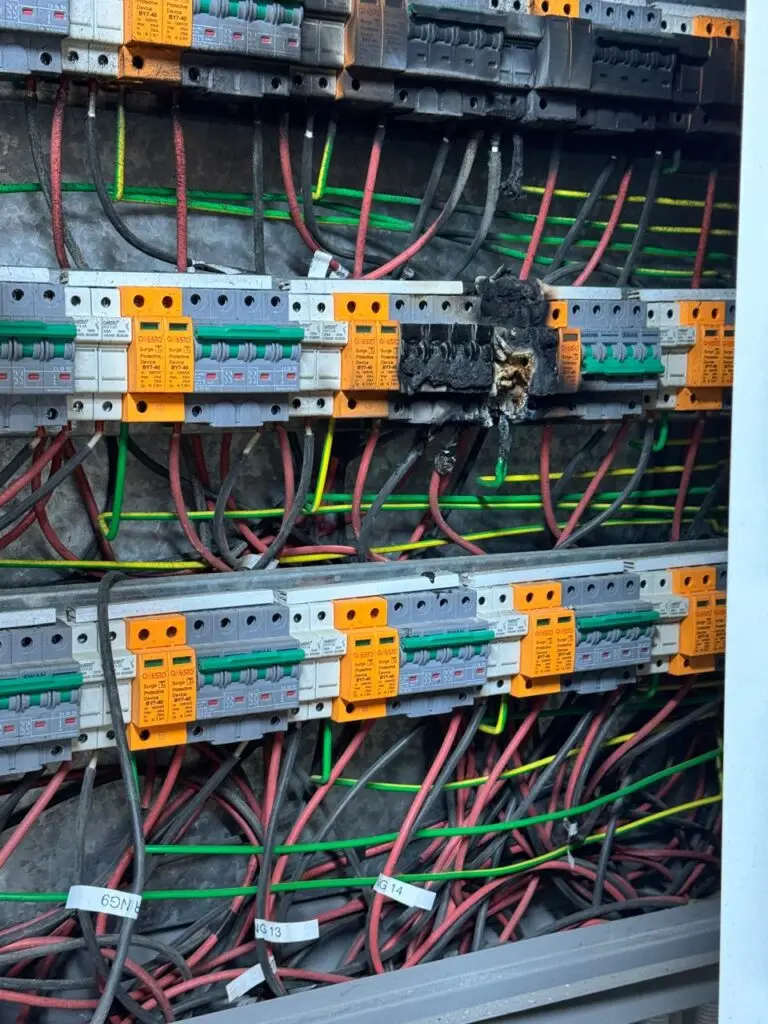
In South Africa, the adoption of solar panels is rapidly increasing as we strive to harness the abundant sunlight and transition to renewable energy. However, with this growth comes the need to address the associated risks, the most significant of which is the potential for fires.
Fire Hazards
The primary risk associated with solar panels is the potential for fires. These can be caused by several factors, including:
- Electrical Faults: Poor installation practices or faulty components can lead to electrical faults, which may result in overheating and fires.
- Poor Maintenance: Lack of regular maintenance can cause wear and tear on the system, increasing the risk of electrical malfunctions.
- Weather Conditions: South Africa’s diverse climate, ranging from intense heat to heavy storms, can impact the integrity of solar installations, potentially leading to fire hazards.
Addressing the Risk
To mitigate the risk of fires, it is crucial to implement comprehensive safety measures:
- Quality Installation: Ensuring that solar panels are installed by certified professionals who adhere to stringent safety standards is essential.
- Regular Inspections: Conducting regular inspections and maintenance can help identify and rectify potential issues before they escalate.
- Advanced Fire Suppression Systems: Developing and installing fire suppression systems specifically designed for solar installations can significantly reduce the risk of fires.
The Role of Comprehensive Solar Safety Assurance Inspections
Comprehensive Solar Safety Assurance Inspections play a vital role in mitigating the risks associated with solar panels. These inspections ensure that all components of the solar system are functioning correctly and meet the highest safety standards. By prioritising these inspections, we can safeguard our investments and protect our communities from the potential hazards of solar panel fires.
In conclusion, while the adoption of solar panels is a positive step towards a sustainable future, it is imperative to address the associated risks proactively. By implementing robust safety measures and conducting regular inspections, we can ensure that the benefits of solar energy are realised without compromising safety.
The Importance of Electrical Isolation in Solar Installations
In South Africa, the push towards renewable energy has led to a significant increase in the adoption of solar installations. While this transition is crucial for sustainable development, it also brings unique challenges, particularly in ensuring the safety of these systems. One of the most critical safety measures in solar installations is electrical isolation.
What is Electrical Isolation?
Electrical isolation involves separating electrical circuits to prevent unwanted current flow, which can lead to electrical faults and fires. In the context of solar installations, this means ensuring that the various components of the system are properly isolated to avoid any potential hazards.
Why Electrical Isolation is Crucial
- Preventing Electrical Faults:
Electrical faults are a leading cause of fires in solar installations. Proper electrical isolation can prevent these faults by ensuring that electrical currents do not flow where they shouldn’t, thereby reducing the risk of overheating and fires. - Enhancing System Reliability:
By isolating electrical components, we can enhance the overall reliability of the solar system. This ensures that the system operates efficiently and safely, providing consistent energy output without interruptions. - Protecting Maintenance Personnel:
Electrical isolation is essential for the safety of maintenance personnel. It ensures that they can work on the system without the risk of electrical shocks or other hazards, thereby promoting a safer working environment.
Implementing Electrical Isolation in Solar Installations
To effectively implement electrical isolation in solar installations, the following measures should be taken:
- Quality Components: Use high-quality, certified components that meet international safety standards. This ensures that the isolation barriers are robust and reliable.
- Professional Installation: Ensure that the installation is carried out by certified professionals who understand the importance of electrical isolation and adhere to best practices.
- Regular Inspections: Conduct regular inspections to check for any signs of wear and tear or potential faults in the isolation barriers. This helps in identifying and rectifying issues before they escalate.
Top 5 Safety Practices When Installing Solar
As South Africa continues to embrace renewable energy, the installation of solar panels is becoming increasingly common. Ensuring the safety of these installations is paramount to protect both property and lives. Here are the top five safety practices to follow when installing solar systems in South Africa.
1. Engage Certified Professionals
The first and most crucial step is to engage certified professionals for the installation. Certified installers have the necessary training and expertise to handle the complexities of solar systems. They adhere to industry standards and best practices, ensuring a safe and reliable installation.
2. Conduct a Thorough Site Assessment
Before installation, a comprehensive site assessment is essential. This includes evaluating the structural integrity of the roof, assessing potential shading issues, and identifying any electrical hazards. A thorough site assessment helps in planning a safe and efficient installation process.
3. Implement Proper Electrical Isolation
Electrical isolation is critical to prevent electrical faults and fires. Ensure that all electrical components are properly isolated to avoid unwanted current flow. This includes using high-quality isolators and ensuring that all connections are secure and compliant with safety standards.
4. Use Quality Components
Using high-quality, certified components is vital for the safety and longevity of the solar system. Inferior components can lead to malfunctions, increasing the risk of fires and other hazards. Always opt for components that meet international safety standards and are suitable for the South African climate.
5. Regular Maintenance and Inspections
Regular maintenance and inspections are essential to ensure the ongoing safety and efficiency of the solar system. This includes checking for any signs of wear and tear, ensuring that all connections remain secure, and verifying that the system is operating as intended. Scheduled inspections help in identifying and addressing potential issues before they become serious problems.
Enhancing Fire Suppression Techniques for PV Systems
As South Africa continues to expand its use of photovoltaic (PV) systems, the need for advanced fire suppression techniques becomes increasingly critical. While solar energy offers numerous benefits, it also introduces unique fire risks that must be addressed to ensure the safety of both people and property.
Understanding the Fire Risks
PV systems can pose fire risks due to several factors, including electrical faults, poor installation practices, and extreme weather conditions. These risks necessitate the development and implementation of specialised fire suppression techniques tailored to the unique challenges of solar installations.
Key Fire Suppression Techniques
- Advanced Detection Systems:
Early detection is crucial in preventing fires from escalating. Installing advanced fire detection systems that can quickly identify electrical faults or overheating components is essential. These systems should be integrated with the PV installation to provide real-time monitoring and alerts. - Specialised Fire Extinguishers:
Traditional fire extinguishers may not be effective for PV system fires. It is important to use fire extinguishers specifically designed for electrical fires, such as those containing dry chemical agents or clean agents that do not conduct electricity. These extinguishers can safely suppress fires without damaging the PV components. - Automatic Fire Suppression Systems:
Automatic fire suppression systems, such as sprinkler systems or gas-based suppression systems, can provide an immediate response to fires. These systems can be activated by heat or smoke detectors and are particularly effective in mitigating fire risks in large solar installations. - Fire-Resistant Materials:
Using fire-resistant materials in the construction and installation of PV systems can significantly reduce the risk of fire spread. This includes fire-resistant cables, conduits, and mounting structures. Ensuring that these materials meet international fire safety standards is crucial. - Regular Maintenance and Inspections:
Regular maintenance and inspections are vital for identifying potential fire hazards before they become serious issues. This includes checking for loose connections, damaged components, and ensuring that all electrical isolation measures are intact. Scheduled inspections help maintain the overall safety and reliability of the PV system.
Upgrading Installation Standards to Mitigate Risks
As South Africa continues to embrace solar energy, upgrading installation standards is essential to mitigate the associated risks. With the rapid growth of photovoltaic (PV) systems, it is crucial to ensure that installation practices evolve to meet the highest safety and efficiency standards.
The Need for Upgraded Standards
The current pace of PV adoption often outstrips the development of safety protocols. This gap can lead to increased risks, including electrical faults, fires, and system inefficiencies. Upgrading installation standards is necessary to address these challenges and ensure the long-term reliability and safety of solar installations.
Key Areas for Upgrading Installation Standards
- Certification and Training:
Ensuring that all installers are certified and adequately trained is fundamental. Certification programs should be updated regularly to include the latest safety practices and technological advancements. Continuous professional development ensures that installers are equipped to handle the complexities of modern PV systems. - Quality of Components:
Using high-quality, certified components is critical for the safety and performance of solar installations. Standards should mandate the use of components that meet international safety and performance criteria. This includes solar panels, inverters, mounting systems, and electrical wiring. - Electrical Isolation:
Proper electrical isolation is essential to prevent electrical faults and fires. Updated standards should include stringent requirements for isolating electrical components, ensuring that unwanted current flow is avoided. This includes the use of high-quality isolators and secure connections. - Structural Integrity:
The structural integrity of the installation site, particularly rooftops, must be assessed and reinforced as necessary. Standards should include guidelines for evaluating and enhancing the structural support to accommodate the weight and wind load of solar panels. - Fire Safety Measures:
Incorporating advanced fire safety measures into installation standards is crucial. This includes the use of fire-resistant materials, specialised fire extinguishers, and automatic fire suppression systems. Regular fire safety drills and inspections should also be mandated.
The Value of Undertaking Comprehensive Safety Inspections
As South Africa continues its transition to renewable energy, the importance of comprehensive safety inspections for photovoltaic (PV) systems cannot be overstated. These inspections are crucial for ensuring the safety, reliability, and efficiency of solar installations, protecting both people and property.
Ensuring System Integrity
Comprehensive safety inspections play a vital role in verifying the integrity of the entire PV system. This includes checking the quality of components, ensuring proper installation practices, and confirming that all electrical connections are secure. By identifying potential issues early, inspections help prevent system failures and extend the lifespan of the installation.
Mitigating Fire Risks
One of the most significant risks associated with solar installations is the potential for fires. Comprehensive safety inspections include a thorough assessment of fire safety measures, such as electrical isolation, the use of fire-resistant materials, and the presence of advanced fire suppression systems. Regular inspections help ensure that these measures are in place and functioning correctly, significantly reducing the risk of fires.
Enhancing Performance and Efficiency
Regular safety inspections are essential for maintaining the performance and efficiency of PV systems. Inspections can identify issues such as shading, dirt accumulation, or component degradation that may affect the system’s output. Addressing these issues promptly ensures that the system operates at peak efficiency, maximising energy production and return on investment.
Protecting Investments
Solar installations represent a significant financial investment. Comprehensive safety inspections help protect this investment by ensuring that the system is safe, reliable, and efficient. By identifying and addressing potential risks early, inspections can prevent costly repairs and downtime, safeguarding the long-term value of the installation.
Compliance with Standards and Regulations
Adhering to updated installation standards and regulations is crucial for the safety and legality of PV systems. Comprehensive safety inspections ensure that installations comply with all relevant standards and regulations, providing peace of mind for both installers and property owners. Compliance also helps avoid potential legal and financial penalties.
Promoting Worker Safety
The safety of workers involved in the installation and maintenance of PV systems is paramount. Comprehensive safety inspections include an assessment of safety protocols and practices, ensuring that workers are protected from electrical hazards, falls, and other risks. This promotes a safer working environment and reduces the likelihood of accidents and injuries.
The Role of Comprehensive Solar Safety Assurance Inspections
Comprehensive Solar Safety Assurance Inspections are an integral part of maintaining the safety and efficiency of solar installations in South Africa. These inspections involve a detailed evaluation of all aspects of the PV system, from component quality to installation practices and fire safety measures. By prioritising these inspections, we can ensure that solar installations meet the highest safety standards and deliver optimal performance.
In conclusion, undertaking comprehensive safety inspections is essential for the successful adoption of solar energy in South Africa. These inspections ensure system integrity, mitigate fire risks, enhance performance, protect investments, ensure compliance, and promote worker safety. By prioritising comprehensive safety inspections, we can harness the benefits of solar energy while safeguarding our communities and infrastructure.
Three Critical Safety Hazards in PV Systems and Solutions
As South Africa continues to embrace solar energy, it is essential to address the critical safety hazards associated with photovoltaic (PV) systems. Identifying these hazards and implementing effective solutions is crucial for ensuring the safety and reliability of solar installations.
1. Electrical Faults
Hazard:
Electrical faults are one of the most significant safety hazards in PV systems. These faults can occur due to poor installation practices, faulty components, or degradation over time. Electrical faults can lead to overheating, fires, and even electric shocks, posing serious risks to both property and people.
Solution:
- Proper Installation: Ensure that PV systems are installed by certified professionals who adhere to stringent safety standards.
- Quality Components: Use high-quality, certified components that meet international safety standards.
- Regular Inspections: Conduct regular inspections to identify and rectify any potential electrical faults before they escalate.
- Electrical Isolation: Implement proper electrical isolation techniques to prevent unwanted current flow and reduce the risk of faults.
2. Fire Hazards
Hazard:
Fire hazards in PV systems can arise from electrical faults, poor maintenance, or the use of substandard materials. Fires can cause significant damage to property and endanger lives, making it imperative to address this risk proactively.
Solution:
- Advanced Fire Detection: Install advanced fire detection systems that can quickly identify overheating components or electrical faults.
- Fire-Resistant Materials: Use fire-resistant materials in the construction and installation of PV systems, including cables, conduits, and mounting structures.
- Specialised Fire Extinguishers: Equip installations with fire extinguishers specifically designed for electrical fires.
- Automatic Fire Suppression: Implement automatic fire suppression systems, such as sprinklers or gas-based systems, to provide an immediate response to fires.
3. Structural Failures
Hazard:
Structural failures can occur if the roof or mounting structures are not adequately assessed and reinforced to support the weight and wind load of the solar panels. This can lead to the collapse of the installation, causing damage and posing safety risks.
Solution:
- Thorough Site Assessment: Conduct a comprehensive site assessment to evaluate the structural integrity of the installation site.
- Reinforcement: Reinforce the roof and mounting structures as necessary to ensure they can support the weight and wind load of the solar panels.
- Compliance with Standards: Ensure that all structural components meet international safety and performance standards.
- Regular Maintenance: Perform regular maintenance to check for any signs of wear and tear or potential structural issues.
Arc Faults that Spark Fires
As South Africa continues to expand its use of solar energy, understanding and mitigating the risks associated with arc faults in photovoltaic (PV) systems is crucial. Arc faults are a significant safety hazard that can lead to fires, posing serious risks to both property and lives.
What are Arc Faults?
Arc faults occur when an electrical discharge jumps across a gap in a circuit, creating a high-temperature arc. This can happen due to damaged wires, loose connections, or faulty components. The intense heat generated by the arc can ignite surrounding materials, leading to fires.
Causes of Arc Faults
- Damaged Wires:
Physical damage to wires, whether from weather conditions, rodents, or improper handling, can create gaps in the circuit, leading to arc faults. - Loose Connections:
Poor installation practices or vibrations over time can cause connections to become loose, creating gaps where arcs can form. - Faulty Components:
Defective or degraded components can fail to maintain a continuous electrical path, resulting in arc faults.
Mitigating Arc Fault Risks
1. Quality Installation
Ensuring that PV systems are installed by certified professionals who adhere to stringent safety standards is the first step in mitigating arc fault risks. Proper installation practices help prevent loose connections and ensure that all components are securely in place.
2. Regular Inspections
Conducting regular inspections is essential for identifying and rectifying potential issues before they escalate. Inspections should focus on checking the integrity of wires, connections, and components to ensure there are no gaps or damage that could lead to arc faults.
3. Advanced Detection Systems
Installing advanced arc fault detection systems can significantly reduce the risk of fires. These systems are designed to detect the presence of arc faults and automatically shut down the affected circuit, preventing the arc from igniting a fire.
4. High-Quality Components
Using high-quality, certified components that meet international safety standards is crucial. Quality components are less likely to degrade or fail, reducing the risk of arc faults.
5. Proper Maintenance
Regular maintenance is vital for ensuring the ongoing safety and reliability of PV systems. Maintenance activities should include tightening connections, replacing damaged wires, and checking for any signs of wear and tear.
Maintenance and Solar Panel Longevity
As South Africa continues to embrace solar energy, ensuring the longevity and efficiency of solar panels through proper maintenance is essential. Regular maintenance not only extends the lifespan of solar panels but also maximises their performance, providing a higher return on investment.
Importance of Regular Maintenance
Regular maintenance is crucial for identifying and addressing potential issues before they escalate. It helps in maintaining the optimal performance of solar panels, ensuring that they continue to generate energy efficiently over their lifespan.
Key Maintenance Practices
1. Cleaning Solar Panels
Dust, dirt, and bird droppings can accumulate on solar panels, reducing their efficiency. Regular cleaning is essential to ensure that the panels receive maximum sunlight. In South Africa, where dust and pollen can be prevalent, it is recommended to clean the panels at least twice a year or more frequently if necessary.
2. Inspecting for Damage
Regular inspections help identify any physical damage to the panels, such as cracks or chips, which can affect their performance. Inspections should also include checking for loose connections, damaged wires, and signs of wear and tear on mounting structures.
3. Monitoring System Performance
Monitoring the performance of the solar system is essential for detecting any drops in efficiency. This can be done using monitoring software that tracks the energy output of the system. Any significant drop in performance should be investigated to identify and rectify the underlying issue.
4. Checking Inverters and Electrical Components
Inverters and other electrical components are critical for the functioning of solar panels. Regularly check these components for any signs of malfunction or degradation. Ensure that all connections are secure and that there are no signs of overheating or corrosion.
5. Ensuring Proper Ventilation
Proper ventilation is essential to prevent overheating of the solar panels and inverters. Ensure that there is adequate airflow around the panels and that any obstructions are removed. Overheating can reduce the efficiency and lifespan of the panels.
Benefits of Regular Maintenance
1. Extended Lifespan
Regular maintenance helps in extending the lifespan of solar panels. By addressing potential issues early, you can prevent significant damage that could shorten the panels’ operational life.
2. Enhanced Performance
Well-maintained solar panels operate at peak efficiency, ensuring maximum energy production. This translates to higher energy savings and a better return on investment.
3. Cost Savings
Preventive maintenance can save costs in the long run by avoiding expensive repairs and replacements. Regular inspections and minor repairs are more cost-effective than dealing with major system failures.
4. Safety
Regular maintenance ensures that all components of the solar system are functioning correctly, reducing the risk of electrical faults and fires. This enhances the overall safety of the installation.
Grounding and Electrical Surges
As South Africa continues to expand its solar energy infrastructure, ensuring proper grounding and protection against electrical surges is crucial for the safety and reliability of photovoltaic (PV) systems. Grounding and surge protection are essential components that safeguard both the solar installation and the connected electrical systems.
Importance of Grounding
Grounding is the process of connecting the electrical system to the earth, providing a path for excess electrical energy to dissipate safely. Proper grounding is vital for several reasons:
1. Safety
Grounding protects individuals from electric shocks by providing a safe path for fault currents to flow to the ground. This reduces the risk of electrical injuries and fatalities.
2. System Protection
Grounding helps protect the PV system and connected electrical devices from damage caused by electrical faults. It ensures that any excess electrical energy is safely discharged, preventing overheating and potential fires.
3. Compliance with Standards
Proper grounding is a requirement under international and local electrical standards. Ensuring compliance with these standards is essential for the legality and safety of the installation.
Key Grounding Practices
1. Grounding Conductors
Use high-quality grounding conductors that meet international safety standards. These conductors should be properly sized and securely connected to ensure effective grounding.
2. Grounding Electrodes
Install grounding electrodes, such as ground rods or plates, to provide a direct path to the earth. Ensure that these electrodes are placed in locations with good soil conductivity to enhance grounding effectiveness.
3. Bonding
Bond all metal parts of the PV system, including frames, mounting structures, and enclosures, to the grounding system. This ensures that all components are at the same electrical potential, reducing the risk of electric shocks.
Protecting Against Electrical Surges
Electrical surges, caused by lightning strikes, power outages, or switching operations, can damage PV systems and connected electrical devices. Implementing surge protection measures is essential to safeguard the system.
1. Surge Protection Devices (SPDs)
Install surge protection devices at critical points in the PV system, such as at the inverter and the main electrical panel. SPDs are designed to divert excess electrical energy away from sensitive components, protecting them from damage.
2. Lightning Protection
In areas prone to lightning strikes, install lightning protection systems to safeguard the PV installation. This includes lightning rods and conductors that provide a direct path for lightning energy to dissipate safely into the ground.
3. Proper Wiring Practices
Ensure that all wiring is properly installed and insulated to prevent surges from causing damage. Use high-quality cables and connectors that meet international safety standards.
Solar System Inspections
As South Africa continues to embrace solar energy, ensuring the safety, efficiency, and reliability of photovoltaic (PV) systems through regular inspections is paramount. Solar Inspections, accessible at solarinspections.co.za, provides comprehensive inspection services designed to safeguard your solar investment and ensure optimal performance.
Importance of Solar Inspections
Regular solar inspections are crucial for identifying potential issues before they escalate, ensuring that your PV system operates safely and efficiently. Inspections help in maintaining the longevity of solar panels, maximising energy production, and protecting both property and individuals from potential hazards.
Key Benefits of Solar Inspections
1. Enhanced Safety
Solar inspections help identify and rectify safety hazards such as electrical faults, loose connections, and damaged components. By addressing these issues promptly, inspections reduce the risk of fires, electric shocks, and other safety incidents.
2. Optimised Performance
Regular inspections ensure that your solar system operates at peak efficiency. By identifying and addressing issues such as shading, dirt accumulation, and component degradation, inspections help maximise energy production and return on investment.
3. Extended Lifespan
Inspections play a vital role in extending the lifespan of your solar panels. By maintaining the system and addressing potential problems early, you can prevent significant damage and ensure that your panels continue to generate energy efficiently for years to come.
4. Compliance with Standards
Ensuring compliance with local and international safety standards is essential for the legality and safety of your solar installation. Solar inspections verify that your system meets all relevant standards, providing peace of mind and avoiding potential legal and financial penalties.
What Solar Inspections Entail
Solar Inspections offers a comprehensive range of services to ensure the safety and efficiency of your PV system. These services include:
1. Visual Inspections
A thorough visual inspection of all components, including solar panels, inverters, mounting structures, and electrical connections, to identify any signs of damage, wear, or improper installation.
2. Performance Testing
Performance testing involves measuring the energy output of the system to ensure it operates at optimal efficiency. This includes checking for issues such as shading, dirt accumulation, and component degradation.
3. Electrical Testing
Electrical testing ensures that all electrical components and connections are functioning correctly. This includes checking for loose connections, damaged wires, and proper grounding.
4. Thermal Imaging
Thermal imaging is used to detect hotspots and other thermal anomalies that may indicate underlying issues such as faulty components or poor connections.
5. Reporting and Recommendations
After the inspection, a detailed report is provided, outlining any identified issues and recommending corrective actions. This helps you address potential problems promptly and maintain the safety and efficiency of your solar system.
Why Choose Solar Inspections
Solar Inspections is dedicated to providing top-notch inspection services tailored to the unique needs of South African solar installations. By choosing Solar Inspections, you benefit from:
- Expertise: Highly trained and certified professionals with extensive experience in solar inspections.
- Comprehensive Services: A wide range of inspection services designed to cover all aspects of your PV system.
- Advanced Technology: Utilisation of the latest technology, such as thermal imaging, to provide accurate and reliable inspections.
- Customer Focus: Commitment to delivering exceptional customer service and ensuring the safety and efficiency of your solar investment.
For more information and to schedule an inspection, visit solarinspections.co.za.
In conclusion, regular solar inspections are essential for the safe and efficient operation of PV systems in South Africa. By partnering with Solar Inspections, you can ensure that your solar installation meets the highest safety standards, operates at peak efficiency, and provides a reliable source of renewable energy for years to come.