
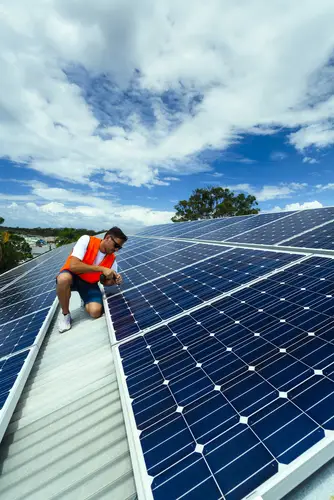
Isn’t it remarkable that South Africa’s solar revolution is advancing at such a phenomenal pace?
The addition of 3,526 MW of rooftop solar in two years highlights the immense potential this energy source holds for our nation.
Rapid Growth of Rooftop Solar in South Africa
The country is embracing solar energy, with solar farms playing a pivotal role in this green transition.
In the span of merely two years, South Africa has seen the installation of 3,526 MW of rooftop solar power, demonstrating not only the adaptability of this technology but also the eagerness of South Africans to seek reliable and sustainable energy solutions. This rapid growth outpaces our national utility-scale solar program, signifying a monumental shift towards decentralized energy.
Why is this happening?
One driving factor is the dramatic reduction in solar technology costs. The plummeting prices make solar more accessible to both residential and commercial sectors, catalysing its widespread adoption. Moreover, consistent power outages have generated a compelling need for reliable, off-grid solutions.
Looking forward, this solar revolution is poised to redefine South Africa’s energy landscape. With continued government incentives and innovations in energy storage, the potential for further growth is enormous. Realignment towards renewable energy is empowering communities, fostering economic growth, and paving the way for a brighter, more sustainable future.
Factors Driving the Solar Boom
One driving factor is the dramatic reduction in solar technology costs. The plummeting prices make solar more accessible to both residential and commercial sectors, catalysing its widespread adoption. Moreover, consistent power outages have generated a compelling need for reliable, off-grid solutions.
Government incentives have further bolstered this shift, enhancing the economic viability of solar installations and encouraging investment in sustainable energy infrastructure.
Declining Solar Costs
South Africa’s solar revolution is greatly influenced by declining solar costs over recent years.
Solar panel prices have dropped by over 80% in the last decade, spurring massive adoption.
Advancements in technology and economies of scale have significantly reduced the costs associated with solar installations, making solar energy more accessible for businesses and households alike. This cost reduction has been a major enabler of the rapid expansion in rooftop solar capacities.
Furthermore, the falling costs have also catalysed investment in off-grid engineering solutions, providing reliable power alternatives during frequent outages. This shift towards solar offers not only economic benefits but also a sustainable energy future for South Africa.
Reliable Power During Outages
South Africa has long grappled with persistent power shortages and frequent outages.
In response, the surge in solar adoption has provided a beacon of stability for households and businesses alike.
Solar power systems, particularly rooftop installations, offer a reliable and uninterrupted energy source, mitigating the impacts of power cuts.
By leveraging solar energy, many have discovered an efficient workaround to the challenges posed by the country’s inconsistent power grid.
This resilient energy solution ensures that during outages, life and business operations can proceed smoothly.
Government Incentives
Recognising the transformational potential of solar energy, the South African government has rolled out several incentives to bolster its adoption.
- Tax Rebates: Substantial rebates on investments in solar installations.
- Net Metering: Credits for surplus power fed back into the grid.
- Subsidized Loans: Low-interest loans for solar energy projects.
- Grant Programs: Financial support for large-scale and community solar initiatives.
- Rebate Programs: Rebates for purchasing and installing solar power systems.
- Feed-in Tariffs: Guaranteed pricing structures for renewable energy producers.
These incentives significantly reduce the initial financial outlay, making solar installations more attractive and feasible.
Through such rewarding schemes, the government is actively championing a greener and more sustainable energy future.
Embrace these opportunities to not only contribute to a revolution but also capitalize on the undeniable economic benefits.
National Utility-Scale Solar vs. Rooftop Solar
South Africa’s solar sector sees a significant divergence between national utility-scale and rooftop solar projects. While utility-scale installations contribute extensively to the national grid, rooftop solar, growing at an unprecedented rate, offers resilience, reliability, and individual energy independence.
Rooftop solar’s meteoric rise reflects its ability to empower businesses and households, mitigating the impacts of frequent power outages while fostering sustainable development and local economic growth.
Speed of Implementation
In just two years, South Africa witnessed an astonishing surge in rooftop solar installations.
This rapid adoption, far outpacing national utility-scale programs, underscores an impressive deployment speed driven by falling costs, energy reliability amid frequent outages, and government incentives. The seamless integration of solar systems into existing infrastructure accelerates progress and ensures a smoother transition to sustainable energy practices.
Interestingly, businesses and homes are pivoting quickly to harness solar energy. This swift embrace of renewable solutions mirrors a broader societal shift towards sustainability and economic resilience, bolstered by the tangible benefits of reduced energy costs and greater autonomy from the national grid.
Consequently, the swift implementation of rooftop solar not only heralds an energy revolution but also sets the stage for further technological advancements and infrastructure development. This burgeoning sector promises not only environmental benefits but also robust job creation and growth opportunities in off-grid engineering and renewable energy solutions, richly contributing to South Africa’s economic landscape.
Cost Comparisons
The financial advantages of adopting solar power in South Africa are becoming increasingly evident.
- Initial Setup Costs: While the upfront costs of solar installations may seem high, they have been consistently decreasing.
- Long-term Savings: Reduced reliance on the national grid equates to significant savings over time, making solar exceptionally cost-effective.
- Government Incentives: Attractive government schemes and subsidies further lower the financial barrier for adopting solar energy.
- Maintenance Costs: Solar systems require minimal maintenance, translating to lower recurring expenses compared to traditional power sources.
These decreasing costs make solar energy more accessible and appealing for both businesses and households.
Investing in solar not only powers your future sustainably but also economically. Embrace the sun and see the savings add up!
Economic Impact of Solar Expansion
The rapid expansion of solar energy in South Africa is a notable economic driver. It profoundly influences diverse sectors by generating employment opportunities.
Significantly, the solar industry has catalysed job creation. Solar installation, maintenance, and manufacturing sectors witness exponential growth.
Moreover, investments in solar infrastructure enhance local economies by attracting both domestic and international investors. This influx of capital fosters a vibrant ecosystem for technological advancement, entrepreneurship, and sustainable growth.
In conclusion, South Africa’s solar revolution is not merely an energy shift but an economic renaissance. By embracing solar power, we are unlocking a sustainable, resilient, and economically robust future ready to withstand global shifts and local challenges. The horizon of South Africa’s economic landscape, powered by solar energy, gleams with promise and potential.
Opportunities in Off-Grid Engineering
The surge in South Africa’s solar revolution has opened up incredible opportunities in off-grid engineering. How can one tap into these burgeoning markets and contribute to a sustainable future?
In 2016, off-grid engineering, often overlooked within mainstream renewable energy discussions, began to emerge as a transformative sector. Now, it holds the key to bridging energy gaps in rural and underserved regions.
As the solar market expands, so does the demand for specialised off-grid solutions tailored to unique local needs. Businesses and innovators are developing technologies that bring reliable energy to where the national grid cannot reach.
Navigating the off-grid energy landscape requires visionary thinking, combining engineering expertise with a deep understanding of local contexts. This sector, with its high-growth potential, offers a plethora of rewarding opportunities for professionals and entrepreneurs alike.
The possibilities are limitless, from providing remote communities with electricity to fostering industrial applications in isolated areas. Are you ready to be part of South Africa’s off-grid solar revolution?
Solar-Powered Businesses
South Africa’s solar revolution is not just transforming homes; it’s making waves in the business world. Many enterprises, particularly in industries like agriculture and hospitality, are increasingly adopting solar solutions to ensure consistent energy while cutting operational costs and bolstering sustainability.
For instance, businesses embracing solar farms are now able to harness the sun’s power to fuel their operations, reducing dependency on erratic power grids. This shift not only secures a stable energy supply but also promotes eco-friendly practices. The compounded benefits are evident in increased productivity, reduced carbon footprints, and an enhanced corporate image that resonates with environmentally-conscious consumers.
Case Studies of Successful Solar Transformations
The growth of solar energy in South Africa has led to remarkable success stories, illustrating both innovation and resilience.
- Sibanye Stillwater Mines: Implemented solar panels to reduce operational costs and ensure uninterrupted energy supply. Reduced reliance on the unstable grid.
- Stellenbosch University: Installed a 1MW solar power plant. Significant energy cost savings and serves as a research model for future projects.
- Vredendal Agricultural Estate: Switched to solar irrigation systems, leading to better crop yields and sustainable water usage.
- Cape Town City Council: Initiated solar projects on municipal buildings, resulting in lower electricity consumption and substantial budget savings.
These successful transformations represent diverse applications of solar energy, from academia to agriculture and beyond.
Each case demonstrates the potential for solar to disrupt traditional energy dependencies and foster sustainable development.
A shared vision unites these success stories: harnessing the sun’s power to create a brighter, greener future for South Africa.
Cost Savings for Businesses
Embracing solar energy is fundamentally altering the financial landscape for South African enterprises.
For companies with extensive operational needs, this transition offers a lifeline during frequent power outages, concurrently slashing electricity bills. By investing in solar infrastructure, businesses can hedge against inevitable tariff hikes, ensuring energy expenditures remain predictable over the long term.
Moreover, adopting solar technology enhances the attractiveness of businesses to eco-conscious consumers. This shift not only bolsters a company’s environmental credentials but also contributes to a positive brand image, fostering a loyal customer base and driving sustainable growth.
Ultimately, the proven cost reductions, coupled with substantial environmental benefits, position solar adoption as a strategic imperative for South African businesses. This paradigm shift not only promises a robust return on investment but also engenders resilience and competitive advantage in an increasingly eco-aware marketplace.
Solar Solutions for Homes
Solar solutions for homes offer unparalleled cost-efficiency, energy independence, and environmental benefits, making them an excellent investment.
With solar panels, homeowners can generate clean electricity, significantly reducing monthly utility bills. Furthermore, in regions prone to power outages, solar systems provide a reliable backup, enhancing household resilience.
Terms like "off-grid" and "on-grid" have become commonplace as more homes join the solar revolution.
Benefits for Homeowners
Installing solar systems in homes leads to substantial long-term savings on electricity bills and provides energy independence.
- Cost Savings: Solar panels significantly reduce electricity bills.
- Energy Reliability: Provides a dependable power source during outages.
- Environmental Impact: Reduces carbon footprint, contributing to a sustainable future.
- Increased Property Value: Homes with solar installations are more attractive to buyers.
- Government Incentives: Financial rebates and tax benefits make installation costs more manageable.
Homeowners are investing in solar solutions to take control of their energy usage and reduce dependence on the grid.
This adoption not only cuts costs but also ensures a steady, reliable power supply, especially crucial in areas with frequent blackouts.
The environmental benefits further underscore the importance of solar energy, placing homeowners at the forefront of sustainability efforts.
Solar Installation Process
The solar installation process is both methodical and transformative, ensuring a seamless transition to renewable energy.
- Site Assessment: A comprehensive evaluation of the location is conducted to determine solar viability.
- System Design: Expert designers craft a bespoke solar system tailored to specific energy needs.
- Permitting: Acquire all necessary permits and approvals from local authorities.
- Installation: Certified technicians install the solar panels and related components.
- Inspection and Testing: Ensure all installations meet safety and performance standards.
- Activation: Officially switch on the system to start generating solar power.
- Monitoring and Maintenance: Continuous monitoring for optimal performance, with regular upkeep as needed.
Each step, from site assessment to activation, is critical in achieving maximum efficiency and reliability.
Efficient planning and execution throughout the installation process minimise potential disruptions and maximise outcomes.
With meticulous attention to detail, the shift to solar power becomes a robust, rewarding experience.
Challenges to Solar Adoption
While the advantages of solar power are compelling, a myriad of infrastructural bottlenecks, funding constraints, and lack of awareness persist. These challenges can make the journey towards solar energy adoption complex, demanding strategic interventions from stakeholders to ensure widespread uptake and continued momentum.
Regulatory Hurdles
Navigating South Africa’s solar revolution isn’t without its regulatory challenges. As the market grows, so does the need for streamlined, clear guidelines.
- Lengthy Approval Processes: Permissions and certifications can be time-consuming.
- Inconsistent Regulations: Varying rules across municipalities create confusion.
- Complex Compliance Requirements: Meeting numerous standards can be cumbersome.
- Limited Policy Support: Some policies may not fully support newer technologies.
These hurdles demand diligence, patience, and strategic planning from solar stakeholders.
Addressing these challenges requires coordinated efforts from the government, industry, and communities.
With a proactive approach, these barriers can be effectively managed, unlocking the full potential of South Africa’s solar revolution.
Initial Investment Costs
Understanding initial investment costs is crucial for potential solar adopters. Why are these costs essential to grasp?
In 2016, Bloomberg New Energy Finance reported notable investment reductions, driving greater home and business adoption. But initial costs, although lowered, remain a consideration.
So, it’s not just about upfront expenses; it’s also about understanding the long-term financial benefits and savings solar technology offers against persistent energy outages.
Taking the plunge into solar may seem daunting given the estimated R2,500 per installed watt, but government incentives and favourable financing options are making it more accessible for ordinary South Africans.
An investment in solar is not merely about cost but also about reducing our carbon footprint, ensuring energy independence, and contributing to a sustainable future.
Future of Solar Energy in South Africa
As South Africa forges ahead with its solar revolution, a future powered by the sun is rapidly becoming a tangible reality, characterised by a transformative energy landscape.
Government initiatives continue to incentivise solar adoption, significantly reducing the historical stigma of exorbitant installation costs.
Furthermore, advancements in technology mean that solar power is becoming more efficient, reliable, and financially feasible (showcasing lower technological drag and maintenance).
Given South Africa’s abundant sunshine, solar power promises a pivotal shift towards sustainable energy solutions, reducing dependence on traditional utility-scale systems.
Large-scale adoption of solar panels and off-grid systems is expected to bolster economic opportunities, providing jobs in manufacturing, installation, and engineering sectors.
Finally, this renewable energy surge fosters environmental stewardship. Each solar panel installation means cleaner air and a healthier planet, benefitting future generations immensely.
How to Join the Solar Revolution
Wondering how you can harness South Africa’s abundant sunshine and become part of the solar revolution?
Start by evaluating your energy needs, considering aspects such as your typical power consumption, potential roof space, and budget constraints.
Next, consult with reputable solar installation companies. They can provide a detailed assessment and tailor a solution to your specific requirements, ensuring efficiency and financial viability.
Additionally, explore government incentives available to you. South Africa offers several subsidies and tax rebates designed to make solar adoption more accessible and cost-effective.
Finally, commit to ongoing learning about solar technology advancements, enabling you to optimise your system and stay at the forefront of this exciting energy revolution.
Case Studies of Successful Implementations
In Sandton, a bustling business district, a landmark commercial building recently underwent a groundbreaking solar transformation.
This solar installation slashed their electricity expenses dramatically.
The system not only improved energy efficiency but also enhanced building value, showcasing sustainable innovation. Their journey exemplifies how solar can redefine operational economics, sustainability, and corporate reputation, inspiring other enterprises.
A rural community in the Eastern Cape also reaped the benefits of solar power. By implementing an off-grid solar solution, they gained reliable electricity access for the first time. This shift not only improved quality of life but also spurred local economic growth through new business ventures, underscoring solar’s transformative potential.
Role of Private Sector in Solar Development
The private sector’s role in South Africa’s solar revolution cannot be overstated. Encompassing both large corporations and small-scale enterprises, they have become pivotal in pushing the boundaries of solar integration.
The rapid advancement of solar technology owes much to their innovation. By investing in cutting-edge solutions, they have driven down costs and increased efficiency.
The private sector’s flexibility and entrepreneurial spirit enable quicker adaptation and implementation. This dynamism contrasts the often slower pace of governmental programmes. Their projects frequently set benchmarks for sustainability and economic viability.
[Private enterprises are crucial in providing specialised services](https://offgridengineering.co.za/services/), from financing to installation. A holistic ecosystem encompassing manufacturers, consultants, and installers ensures that solar power is accessible and efficient. This synergistic approach is instrumental in shaping South Africa’s bright solar future. 🌞
Community Solar Programs
Community solar programs offer remarkable benefits, enabling broader participation in the solar revolution and reducing energy costs.
Amid the surging demand for renewable energy, these initiatives foster inclusivity by allowing households and businesses to invest in a shared solar facility. Participants not only cut their electricity costs but also contribute to a sustainable future. This collective model holds the potential to reach underserved areas, extending the advantages of solar energy to a wider community.
Furthermore, community solar builds a sense of ownership and environmental stewardship. By engaging directly with clean energy projects, community members gain a deeper understanding of renewable technologies while also reaping financial benefits. This empowerment ignites enthusiasm and cooperation, fostering a strong social fabric and encouraging communal resilience.
Thus, community solar programs are paramount in decentralising energy production and amplifying the impact of South Africa’s solar journey. By enabling collective participation, these programs ensure that the benefits of the solar revolution permeate through all layers of society, reducing inequality and driving forward a cleaner, more equitable South Africa. 🌞
Future Prospects of Solar in South Africa
South Africa’s solar future shines brightly, driven by innovation, investment, and a widespread commitment to renewable energy.
Rapid technological advancements are steering us towards a greener horizon.
Moreover, cutting-edge solutions are emerging, promising efficient, high-yield solar installations.
With international interest and local ingenuity merging, South Africa’s solar sector is poised for stellar growth.
Policymakers are increasingly realising the immense potential of solar, reflected in supportive legislation and incentives.
Ultimately, the trajectory of solar energy in South Africa hinges on collaborative efforts. Embracing this energy transition today will illuminate our journey towards a sustainable tomorrow. 🌞
Comparing Solar with Other Renewable Sources
The renewable energy landscape is diverse and dynamic.
Solar energy stands tall with wind and hydro power. Each source contributes to our green future in unique ways, reflecting their respective strengths and applications. Particularly, solar power has distinct advantages, such as lower maintenance costs and scalability, making it an ideal choice for both urban and rural settings.
Wind energy comes with its own set of merits.
It offers significant energy yields, especially in areas with consistent wind patterns, but it requires substantial upfront investment. Hydro power, reliant on water flow, offers another potent option, especially in river-rich regions.
Solar’s flexibility is its trump card – not only can it be installed on rooftops and open land, but it also supports decentralised, off-grid solutions.
In the race to harness the sun, wind, and water for energy, solar stands out for its versatility and scaling potential. Although all renewables are essential to our sustainable future, solar has emerged as a particularly transformative force in South Africa’s energy landscape.
Tips for Homeowners Switching to Solar
As South Africa embraces a solar revolution, there are key considerations for homeowners looking to join the movement. Ensure you evaluate your home’s energy needs, as this will guide your solar system’s size and capacity.
Consult with professional solar installers who can assess your roof’s suitability.
Remember that investing in solar is not just about the panels; include batteries and inverters in your budget for a complete system. This consideration becomes crucial when dealing with consistent power outages and the need for reliable energy storage.
Finally, take advantage of available government incentives and rebates. They can significantly reduce the upfront costs, making your investment more feasible and accelerating your path to clean, renewable energy. By embracing the solar wave, you are contributing to a sustainable future and securing reliable power for your home.
Contacting the Solar Experts – Off Grid Engineering
Navigating the solar landscape can be challenging.
That’s where off-grid engineering experts come into play. They possess the technical expertise to design solar systems tailored to unique needs, ensuring optimal performance and longevity. Moreover, professionals can help maximise government incentives and rebates, making the transition to solar energy more affordable. Expert guidance is invaluable in overcoming any obstacles the solar switch may present.
Their knowledge accelerates the adoption process.
Engage with certified solar professionals to ensure your home or business receives a bespoke energy solution. Their experience in managing potential setbacks and technical nuances equips them to offer premium service and reliable installations.
Seeking expert assistance will undoubtedly mitigate complexities and foster a seamless transition. As South Africa continues to experience a boom in rooftop solar installations, these professionals are key to harnessing the sun’s power effectively. Their role is instrumental in pushing the boundaries of innovation within the renewable energy sector.